
Are You Dead App Explained: Safety Check In or Existential Reminder?
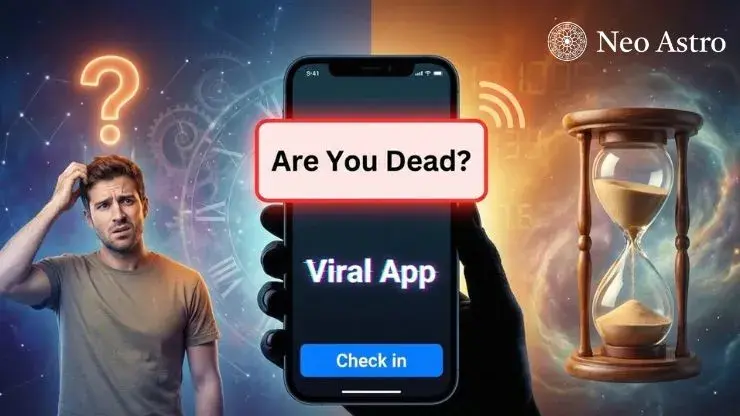
The Are You Dead app, now called Demumu, is a simple safety check-in app made for people who live alone. It works in an easy way. Users confirm if they are okay by checking in on the app, and if they miss two check-ins in a row, the app sends an alert to a chosen emergency contact.
This new mobile application from China quickly became one of the most discussed topics in global tech and lifestyle news. Originally launched under the blunt English name Are You Dead?, the app drew attention for the way it forced users to confront questions about isolation and personal safety. It rose rapidly to the top of the paid chart on the Apple App Store in China and attracted coverage from major international media outlets before its creators rebranded it as Demumu.
The app focuses on a simple goal. It offers peace of mind to people who live alone and may not speak to someone every day. As the app spreads beyond China to other countries, including India, it has started conversations about safety, isolation, and how people stay connected in modern life.
What is the Are You Dead App and How Does it Work?
Demumu works as a simple safety check-in tool to support the safety and well-being of individuals living alone or who may have limited socialisation for extended periods. It does not attempt to predict health outcomes or quantify medical information.
Users need to download the app, register their respective emergency contacts, and set the frequency of digital confirmation that they are alive.
The app will send a visibility or check-in reminder at the user-defined intervals until a response is received from the user.
The response to the visibility reminder must occur within a specific time frame; otherwise, an automatic alert will be sent to the emergency contact indicating that the user has not responded.
The alert will indicate to the emergency contact the possibility that the user is in need of assistance or simply did not check in as scheduled, and may be a helpful signal to check in with the user.
Demumu had its original English name, which closely resembled its original Chinese name, Sileme, and means "Are You Dead". This provocative name generated attention and considerable controversy due to its perceived negative connotation. However, as part of a plan to expand the app globally, the developers agreed to rebrand the app as Demumu following significant feedback.
Today, the app is marketed as a companion for solo dwellers. It appears high in utility charts across several countries and is available for purchase. It requires minimal setup and asks only for basic contact details. Its function does not involve tracking location or storing sensitive personal information, which keeps the process simple and focused on one purpose: letting someone know you are all right.
Is the ‘Are You Dead’ AKA Demumu App Required or Relevant in India?
The fast-growing popularity of Demumu indicates emerging social patterns. More and more people in China are living in solitude, and in most cases, these individuals do not interact with their families or friends consistently throughout the day.
For this reason, some may find the daily check-in an attractive option. Analysts have suggested that increased migration to urban areas, along with rising numbers of single-person households in the largest Chinese cities, has helped promote the app's usage.
The same cannot be said of the social structure existing in India today. Many regions of the country still rely heavily on extended family relationships and strong community ties. Daily phone contact, informal check-ins with relatives, and strong social networks provide the most significant support for individuals who live apart or independently from their families. The relationships formed in this traditional manner serve as the support that could ideally come through a digital check-in system.
Despite this, trends indicate that as people migrate from rural areas to urban centres for employment or education, the number of young professionals, students, and migrants living alone in Indian cities has been increasing. Therefore, an application that could send notifications of someone nearby or in close proximity to the user, thus providing them with added peace of mind.
The practicality of having Demumu in India will depend on each person's unique situation and experiences. Conversely, it will depend on a person's frequency of contact with relatives or loved ones, which, for many people, remains the main means of staying connected and safe.
How India Traditionally Looks at Life, Age, and Time
In Indian culture, people often view life and its stages in a linear way. They think about their age, what they have achieved at each stage, their responsibilities, and what each age means as they move forward. Instead of seeking daily reassurance, many traditions encourage people to reflect on their current place in life and what lies ahead, finding comfort in this process. Age plays a key role in shaping expectations about family, work, health, and personal growth.
The main stages of life are:
Childhood: learning, values, and early development
Early adulthood: building stability, independence, and starting a career
Middle age: taking responsibility, contributing, and planning for the future
Later years: reflecting, guiding others, and finding balance in life
Vedic astrology reflects this wider cultural view. It treats age as an essential reference point for interpreting life stages. Instead of asking if someone is present at a given moment, it looks at how time shapes experiences across years. Age helps indicate which themes gain importance and which responsibilities come forward.
This way of thinking also helps people prepare for the future. Many consider their health, financial independence, and emotional well-being in relation to their age or expected lifespan. Knowing how long you might live can make it easier to plan with confidence and less worry. That is where tools such as the Age Calculator become useful.
The age at death calculator gives you an estimated life expectancy based on your age, general life patterns, and traditional views about life stages. It does not predict the future or offer exact answers, but it does provide an approximate percentage. This can help you better understand your time and set priorities for your long-term goals.
Conclusion
The popular app Demumu shows how a safety app can encourage people to think more about their lives, how long they might live, and their values. These apps offer comfort in certain situations, but they also prompt users to reflect on how they feel about aging and their own well-being, as well as the well-being of those they care for. In India, this often leads people to seek advice rather than wait for alerts.
Astrology is one way people find guidance, helping them reflect on different stages of life, where they are now, and what choices they might face in the future. The Astrology app connects users with experienced astrologers who give thoughtful feedback and personal support. Tools like an age calculator and expert advice help people turn their curiosity into understanding and practical plans for their lives.